Haringey Council permit rules for Wood Green removals: a practical guide for stress-free moving
If you are planning a move in Wood Green, the permit side of things can feel like the annoying bit nobody warned you about. Yet Haringey Council permit rules for Wood Green removals can make or break moving day: get them wrong and you may face delays, parking trouble, or a van circling the block while the clock ticks. Get them right, and the whole move feels calmer. This guide explains what permits are for, when they matter, how the process usually works, and the small mistakes that catch people out most often.
Whether you are moving from a flat above a shop on a busy road, shifting into a terraced street, or organising an office move that needs a clear loading bay, the practical points are much the same. You want enough access, enough time, and no surprises. Let's make it simple.
Why Haringey Council permit rules for Wood Green removals Matters
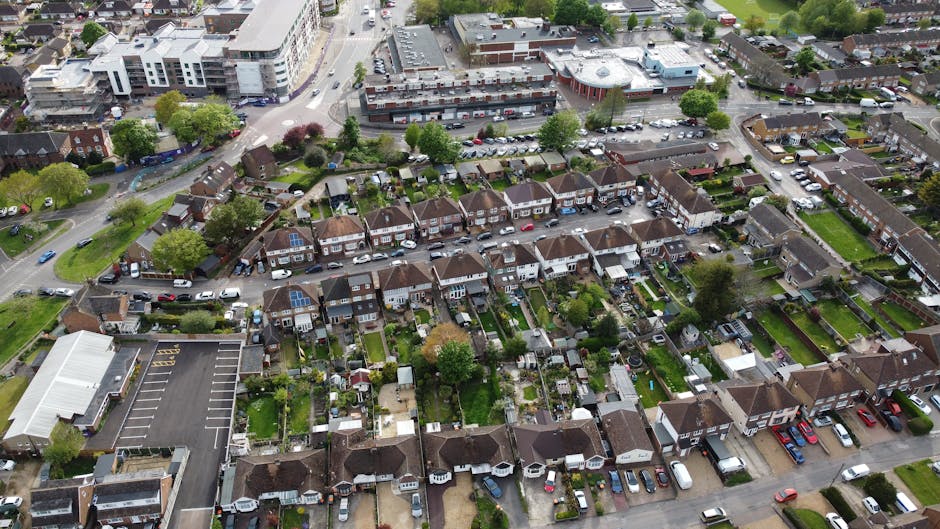
Wood Green is busy, and that is the honest starting point. Main roads can be tight, side streets can fill up quickly, and even a short move can become awkward if the vehicle cannot stop safely near the property. Council permits matter because they help manage where a removals van or truck can park, load, or wait without causing problems for residents, pedestrians, or traffic flow.
For a home move, the most obvious issue is access. For a business move, it may be loading space and time windows. For a smaller job, you might think a quick stop is fine. Sometimes it is. Sometimes it is not. That is where people get caught out. A perfectly organised move can still unravel if the vehicle arrives and there is nowhere legal to stand.
There is also a fairness issue, to be fair. Parking restrictions in busy parts of Haringey are there to keep streets usable, not to make life difficult. But from your side, the practical reality is this: if your vehicle is too large, or if parking is restricted, a permit or dispensation may be needed. When in doubt, plan early rather than gambling on a free space appearing at 8:00 on a weekday morning. It rarely does. Funny how that works.
If you are arranging help through a local man and van service or a larger team with a removal van, permit planning should be part of the booking conversation, not an afterthought. It saves time, stress, and a lot of parking-related sighing.
How Haringey Council permit rules for Wood Green removals Works
At a practical level, permit rules are about whether the vehicle can legally stop in the location you need, for the time needed, with the type of access required. In many UK boroughs, this can involve a parking permit, a loading exemption, or another temporary arrangement depending on the street, timing, and vehicle size. The exact requirement depends on the road restrictions where the move starts or ends.
For removals in Wood Green, the usual questions are simple ones:
- Is the property on a restricted street?
- Will the vehicle need to wait, load, or unload for more than a very short period?
- Is there a loading bay, double yellow lines, or another controlled parking area nearby?
- Does the move involve a van, lorry, or smaller vehicle?
- Are there time limits that affect early morning, school-run, or evening moves?
Where the street layout is tight, a removals team may need to position the vehicle carefully and keep the move moving. That is especially relevant for flats, basement access, and homes with narrow frontages. If you are using a flat removals service, access planning tends to matter even more, because lift use, stair carries, and loading distance all affect timing.
There is no one-size-fits-all answer because councils manage roads by location and restriction type. So the real job is to confirm what applies to your exact street, then work backwards from the move time. That is the bit people skip when they are in a rush. Don't. It is the difference between a tidy handover and a mildly chaotic morning with boxes on the pavement and someone looking at a ticket like it offended them personally.
Key Benefits and Practical Advantages
Understanding the permit side of a Wood Green move is not just about avoiding penalties. It also makes the move more efficient and less physically demanding.
- Faster loading and unloading: the vehicle can park closer to the property, so fewer trips are needed.
- Less risk of delay: you are less likely to lose time searching for a legal parking spot.
- Lower stress on moving day: everyone knows where the vehicle is going and what to expect.
- Safer handling of furniture: shorter carrying distances reduce strain and reduce the chance of knocks and scrapes.
- Better planning for time-sensitive moves: useful when you have a key handover, lift booking, or a same-day deadline.
There is another quiet benefit: permits force better planning. That sounds dull, but it is genuinely helpful. When you plan access properly, you usually uncover other issues early too, such as awkward stairwells, a missing loading bay, or a sofa that will not squeeze around the corner as easily as you hoped.
If your move involves bulky items, a furniture removals service can be a real advantage because the team can prepare for the walk distance and vehicle placement at the same time. The same logic applies to bigger domestic moves using home moves support. Better access usually means better timing, and better timing tends to mean a calmer day. Simple as that.
Who This Is For and When It Makes Sense
Not every move in Wood Green needs the same level of permit planning. Some streets are easier than others, and some vehicles are easier to place. Still, the following situations commonly justify checking permit requirements before moving day.
- People moving from flats or maisonettes: especially where there is no private driveway or easy loading area.
- Families moving house: larger volume means more loading time and a stronger need for nearby parking.
- Students: even a small move can be awkward if it falls on a restricted street or during a busy period.
- Businesses relocating office furniture and equipment: time windows and access restrictions matter more than people expect.
- Anyone using a larger vehicle: the bigger the vehicle, the less forgiving the road layout tends to be.
If your move is small and the street has a clear legal loading space, the process may be straightforward. But if there is any doubt, it is better to ask early than assume. That is especially true for a busy local move such as a student removals job, where the pressure is often on to finish quickly and cheaply.
Commercial moves are another story. With commercial moves, permit planning is often part of a wider access plan that includes building management, reception rules, and lift use. One forgotten detail can throw off the entire schedule. Not dramatic, just inconvenient. Which, on moving day, is close enough.
Step-by-Step Guidance
Here is a sensible way to approach a Wood Green removals permit check without turning it into a headache.
- Identify the exact collection and delivery addresses. It sounds obvious, but permits are location-specific. A street nearby may have completely different restrictions.
- Check the parking situation at both ends. Look for yellow lines, loading bays, resident bays, suspended bays, or any signs that affect stopping.
- Work out the vehicle type. A small van, transit-style vehicle, or larger moving truck may face different rules.
- Estimate loading time honestly. Give yourself enough time for stairs, lift waits, and a few extra trips. Most people underestimate this part.
- Decide whether a permit, exemption, or alternative plan is needed. If parking is likely to be constrained, do not leave this decision until the night before.
- Coordinate with your removals team. Tell them about access limits, the floor level, and any on-street restrictions.
- Prepare the property for faster loading. Boxes labelled, furniture disassembled where possible, and clear walkways can make a huge difference.
- Keep documents and contact details handy. If a question comes up on the day, you want quick answers, not a frantic search through phone photos and emails.
A small real-world example: you may think a short road with "just enough room" is fine, then realise a delivery vehicle is already parked there and your removals van now has to stop fifty metres away. Fifty metres does not sound like much. By the third wardrobe, it feels like half of Haringey. That is why planning matters.
Expert Tips for Better Results
After enough moving days, a pattern starts to show. The smooth jobs are not usually the ones with the fanciest packing. They are the ones with the best access planning.
First tip: choose the move time with the street in mind, not just your own schedule. Early hours can be useful, but not if they clash with local parking patterns or building restrictions. Mid-morning is often more predictable for many households, though every street is different.
Second tip: think about where the vehicle door will open and how the path to the front door works. A tight space can turn into a bottleneck very quickly if there is no clear route for carrying items.
Third tip: keep delicate or awkward items separate. A piano, large mirror, or heavy cabinet needs more patience and, in some cases, specialist handling. If you have one of those in the mix, consider piano removals support or more tailored handling rather than hoping for the best.
Fourth tip: ask about insurance and handling standards. Permit compliance is one part of the picture; safe handling is the other. A well-placed vehicle is no use if the item is carried badly. For peace of mind, it is worth reviewing insurance and safety information before booking.
Fifth tip: if your move is split across days or involves storing items temporarily, it can reduce pressure on the permit window. In some cases, using storage is the calmer route. Not always necessary, but sometimes a very sensible choice.
Common Mistakes to Avoid
These are the ones that keep showing up, and yes, they are avoidable.
- Assuming the street is fine because it looked quiet yesterday. Parking conditions change by time of day and day of week.
- Leaving access checks until the van arrives. At that point, your options are limited and everyone is under pressure.
- Underestimating loading time. One extra flight of stairs can change the whole schedule.
- Forgetting the delivery address. Some moves need parking consideration at both ends, not just the departure side.
- Booking the wrong vehicle size. A vehicle that is too large can be harder to place; one that is too small can lead to multiple trips.
- Not telling the removals team about restrictions. A good team can work with constraints, but only if they know about them.
- Ignoring waste and disposal needs. Old furniture, packaging, or unwanted items can add clutter and slow everything down.
One of the biggest mistakes is assuming the permit issue is somebody else's problem. It is not. If you are the person moving, it helps to own the planning early. Even if you are using a professional crew, the address information has to be right. That bit never gets glamorous, but it matters a lot.
Tools, Resources and Recommendations
You do not need a giant toolkit to handle permit planning well. You need a few practical habits and the right questions.
- Street-level photos: useful for showing signs, bay markings, and access points to your removals provider.
- Building notes: lift size, floor level, entry codes, concierge rules, and loading instructions.
- Simple inventory list: helps estimate how long loading and unloading will take.
- Measurements: especially for sofas, wardrobes, beds, or awkward items.
- Booking confirmation details: keep move times, vehicle size, and any special instructions in one place.
From a service perspective, it also helps to work with a provider that offers clear pricing and transparent terms. If you are comparing options, see how the move is scoped and what is included by reviewing pricing and quotes and terms and conditions. That will not answer every permit question, but it does help you avoid surprises elsewhere.
If you need packing support, the right prep can reduce your permit risk indirectly because the loading phase becomes quicker. Services like packing and boxes or packing and unpacking services can make the move far more efficient. Less faff, fewer delays.
Law, Compliance, Standards, or Best Practice
Permit rules sit within a wider framework of parking control, road safety, and local authority management. The precise requirements are set by the relevant council and can vary by street, time, and vehicle type. Because of that, it is best to treat any removals move in a restricted area as a compliance question, not just a logistics question.
Good practice usually means:
- checking the road restrictions before the move date;
- confirming whether loading is allowed and for how long;
- making sure the vehicle used suits the street layout;
- keeping the move within safe and lawful parking boundaries;
- planning for pedestrians, neighbours, and access to neighbouring properties;
- following safe lifting and carrying practices during loading.
For removals businesses, compliance also links to professionalism. A team that understands access and parking constraints is usually better prepared for the rest of the job too. If you are weighing up providers, look beyond the headline price. A slightly better-prepared move often saves more time and hassle than it costs.
And yes, this is where sensible business practice matters. A moving company that takes care with planning, safety, and communication is worth its weight in tape rolls.
Options, Methods, or Comparison Table
When moving in Wood Green, there are usually a few ways to handle the access side. Which one fits best depends on the property, the vehicle, and how much time you have.
| Approach | Best for | Advantages | Watch-outs |
|---|---|---|---|
| Standard curbside loading | Quiet streets with legal space nearby | Simple and quick if space is available | Can fail fast if parking is taken or restricted |
| Permit-based parking or loading | Controlled streets and longer loading periods | More predictable access and less risk of conflict | Requires planning and correct timing |
| Smaller vehicle approach | Very tight streets or difficult access | Easier to position and manoeuvre | May need extra trips |
| Split move with storage | Moves with timing pressure or staged handovers | Reduces same-day pressure | Adds another step to organise |
For a simple, same-day household move, a smaller vehicle and tight schedule can work nicely. For larger family homes or office moves, the smoother answer is often better planning, a clearer loading window, and a vehicle that suits the street. In some cases, same-day removals can be useful, but only when access and parking are already under control. Same day does not mean same chaos. Or at least, it should not.
Case Study or Real-World Example
A typical Wood Green move might look like this. A couple is leaving a first-floor flat near a busy high street and moving a few streets away into a terraced house. At first glance, the move seems straightforward: only a short distance, not a huge volume, and a van should be enough.
Then the details appear. The old building has no driveway. The road outside is busy in the morning. The new address has space, but the turning area is awkward. The couple also has a heavy wardrobe and a stack of boxed books that somehow multiplied overnight. That is how it always happens.
Instead of leaving parking to chance, the move is planned around the available loading space and the likely time window. The removals team arrives with the right van size, the boxes are ready, and the heavier furniture is grouped for first loading. Because the access is thought through, the move finishes on time and without the usual street-side scramble.
If that same move had been handled casually, the vehicle might have ended up parked too far away, which would have added carrying time and made the stairs feel steeper than they really were. Small planning difference, big practical effect.
Practical Checklist
Use this before moving day. It keeps the process tidy and helps you spot permit issues early.
- Confirm the exact pickup and delivery addresses.
- Check whether either street has parking restrictions or loading limits.
- Note the size and type of vehicle being used.
- Estimate how long loading and unloading will take.
- Identify stairs, lifts, narrow hallways, or awkward access points.
- Tell the removals team about parking conditions in advance.
- Prepare furniture and boxes so they are ready to move.
- Separate fragile, valuable, or specialist items.
- Keep building access codes, contact names, and move instructions handy.
- Have a backup plan in case the road is busier than expected.
If you work through that list properly, you are already ahead of most moving-day problems. It really is that simple.
Conclusion
Haringey Council permit rules for Wood Green removals are not the most exciting part of moving, but they are one of the most useful things to get right. A little planning around parking, access, and vehicle size can save you time, money, and a lot of avoidable stress. That matters whether you are moving a studio flat, a family home, or a whole office.
The best approach is straightforward: check the street restrictions early, match the vehicle to the job, and keep the removals team informed. Do that, and moving day becomes far more manageable. Not perfect, maybe. But manageable, which is usually what people actually want.
Get a free quote today and see how much you can save.
And if you are still in the planning stage, that is absolutely fine. A good move starts before the van arrives, often with the quiet, boring details that end up making the biggest difference.
Frequently Asked Questions
Do I need a permit for removals in Wood Green?
Not always. It depends on the exact street, the parking restrictions in place, the time of day, and whether the vehicle can stop legally for loading or unloading. Some moves need only careful timing, while others need a more formal parking arrangement.
Can a removals van stop on double yellow lines while loading?
Sometimes loading is permitted for a limited time in certain places, but that is not something to assume. The restrictions vary by location, and the vehicle may still need to follow local rules closely. It is safer to check the specific street before move day.
What is the main risk if I do not sort parking in advance?
The main risks are delay, extra carrying distance, and the possibility of parking enforcement issues. In a busy area, a poor parking plan can quickly turn a smooth move into a much longer job than expected.
Is a permit more important for a flat move than a house move?
Often yes, because flats commonly have less direct access, more stairs, and fewer private parking options. That said, a house on a restricted street can still need just as much planning. Access always matters more than the property type alone.
How far in advance should I check the rules?
As early as you can. A few days is better than none, but earlier is cleaner because it gives you time to adapt the move time, vehicle choice, or packing plan if needed.
Can a smaller vehicle help avoid permit issues?
It can help in some streets because smaller vehicles are easier to position and may fit into tighter spaces. But a smaller vehicle can also mean more trips, so it is not automatically the best option. The right size depends on the job.
What if I am moving on a busy weekend?
Weekend moves can be easier in some respects and harder in others. Parking patterns change, local traffic may be lighter or heavier depending on the area, and loading windows can still be tight. Always check the actual restrictions rather than relying on general assumptions.
Do office relocations need more planning than home moves?
Usually yes. Office moves often involve more coordination, time pressure, and building rules. They may also need vehicle access planning for equipment, desks, filing, and reception areas. A proper access plan helps a lot.
What should I tell my removals company before the move?
Tell them the exact address, parking restrictions, floor level, lift access, whether there is a driveway, and whether any large items need special handling. The more honest and specific you are, the better they can prepare.
Can I combine packing help with removals to reduce loading time?
Yes, and that can be a smart move. Well-packed boxes, labelled rooms, and furniture that is ready to go make the loading phase much faster. That can make the permit window easier to manage too.
What if I need temporary storage during the move?
Storage can be useful if your access times do not line up neatly or if you are staging the move in two parts. It adds another step, of course, but sometimes that is the cleaner option for keeping everything under control.
Where should I start if I am booking a local move right now?
Start with access. Confirm the addresses, parking situation, and vehicle size first, then build the rest of the move around that. After that, the packing and scheduling decisions become much easier to make.