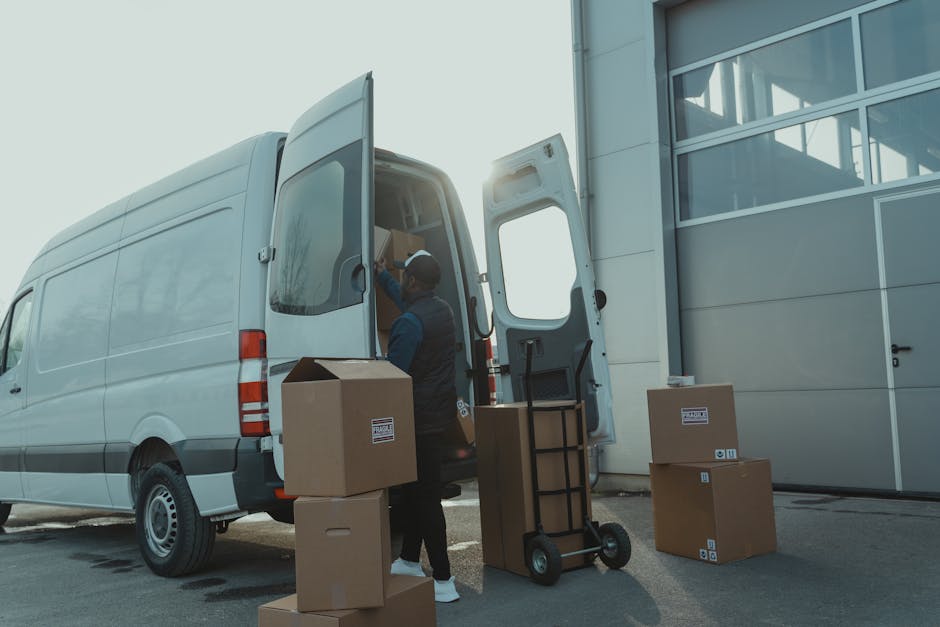
Street loading rules for moving vans in Wood Green: a practical guide for smoother local moves
If you are trying to organise a move in Wood Green, the tricky part is not always the lifting. Often, it is the curb space. Street loading rules for moving vans in Wood Green can shape everything from your arrival time to the size of van you book, and whether the move feels calm or turns into a scramble with hazard lights on and neighbours waiting to get past. To be fair, that is the part people tend to underestimate.
This guide explains how street loading usually works, what to check before the van arrives, and how to avoid the common mistakes that cause delays, complaints, or avoidable parking penalties. It is written for real moving days, not perfect ones. The sort where the lift is busy, the sofa is awkward, and someone has forgotten the kettle. Again.
Table of Contents
- Why the loading rules matter
- How loading on Wood Green streets usually works
- Key benefits and practical advantages
- Who this is for and when it makes sense
- Step-by-step guidance
- Expert tips for better results
- Common mistakes to avoid
- Tools, resources and recommendations
- Law, compliance, standards and best practice
- Options, methods and comparison
- Case study or real-world example
- Practical checklist
- Conclusion
- Frequently asked questions
Why Street loading rules for moving vans in Wood Green Matters
Loading a moving van is not just about finding space near the front door. In a busy part of London, street use is shared, time-sensitive, and often tightly controlled. If you stop in the wrong place or stay too long, the move can become expensive and stressful very quickly.
Wood Green is a mix of residential streets, busier roads, flats, terraced homes, shops, and side streets with limited room to manoeuvre. That makes loading arrangements especially important. A van that looks small enough on paper may still block traffic or sit awkwardly over a dropped kerb. A simple move can become one of those situations where everyone is watching the clock.
There is also the neighbour factor. If the van is positioned badly, you may block driveways, prevent deliveries, or make access difficult for residents and businesses. That is not just inconvenient. It can lead to complaints, extra moving time, and a much colder atmosphere on the street than anyone wants on moving day.
Key point: the loading plan is part of the move itself. It is not an admin detail. It affects timing, safety, costs, and whether your van actually has a legal and practical place to stop.
If you are booking support for a home move, home moves services are usually the most relevant starting point. For flatter buildings, flat removals and good access planning go hand in hand.
How Street loading rules for moving vans in Wood Green Works
In practice, loading rules usually come down to three things: where the van can stop, for how long it can remain there, and whether loading is genuinely taking place. The exact rules depend on the road, bay, or restriction in question, and local signs always matter more than guesswork.
In Wood Green, that means you need to look at the street as it is on the day, not as you hoped it would be. A road may allow loading only during certain hours. Another may require a permit, while another might be heavily restricted during peak periods. There is no one-size-fits-all answer, which is annoying, but that is the truth of it.
For moving vans, the most common practical questions are:
- Can the van stop close enough to the entrance to load safely?
- Is loading allowed where the van will stand?
- Is the space shared with residents, businesses, or other vehicles?
- Will the move require extra time for stairs, lifts, or narrow hallways?
- Can the driver keep the vehicle in view while loading is happening?
That last one matters more than people think. If loading drifts into a long pause, or the van is left unattended in a place where it should not be, the risk of disruption goes up. Nobody wants to run downstairs with a mattress and find the van has been moved, ticketed, or boxed in.
For larger or more structured moves, a dedicated removals service or a more substantial vehicle such as a moving truck can help if access and volume are both concerns. On the other hand, for lighter moves, a removal van may be the more practical choice.
Key Benefits and Practical Advantages
Getting the loading plan right sounds boring right up until it saves your day. Then it becomes the most useful thing you did all week.
The main benefits are straightforward, but they add up quickly:
- Less delay: the van arrives, loads, and leaves without a long hunt for space.
- Lower stress: the move feels structured rather than improvised.
- Better safety: fewer rushed carries, fewer awkward lifts, and less chance of injury.
- Reduced disruption: neighbours, pedestrians, and other road users are less affected.
- Better cost control: less waiting time usually means less wasted labour time.
There is also a quality-of-service benefit. A well-planned loading arrangement gives everyone room to work properly. Boxes can be staged neatly, furniture can be passed safely, and the driver is not forced to improvise a parking solution every ten minutes. That matters whether you are moving a one-bed flat or handling a full office relocation.
For commercial moves, the loading plan is often even more sensitive because staff, customers, and building management may all be involved. In those cases, commercial moves and office removals need a little more coordination than a standard household job.
Who This Is For and When It Makes Sense
This topic matters to anyone who expects a van to stop on a public street in Wood Green while items are being loaded or unloaded. That includes first-time movers, landlords, students, office managers, and people booking a same-day collection who suddenly realise the road is busier than expected.
It is especially useful if you are:
- moving from a flat with limited outside space
- living on a road where parking is already competitive
- organising a move during weekday traffic hours
- coordinating with building management or neighbours
- moving heavy or awkward items that need the shortest possible carry distance
Students often need this guidance because student moves are usually quick, compact, and time-pressured. A good loading plan can make the difference between a tidy one-trip move and a frustrating two-hour shuffle. If that sounds familiar, student removals may be the right type of support.
It also makes sense when you are moving items into storage, or out of storage, where you want the van positioned efficiently and the handover to be smooth. For that sort of move, a service such as storage can fit neatly into a wider move plan.
Step-by-Step Guidance
If you want the simplest possible version, here it is: check the street, confirm the access, prepare the load, and keep the van moving. But let's break that down properly.
- Check the street restrictions early.
Look at the road itself, not just your address. Pay attention to signs, kerb markings, bay times, and any obvious restrictions. If anything looks unclear, treat it as a warning sign, not an invitation to gamble. - Plan the loading point.
Decide where the van will stop and whether it will need to reverse, angle in, or use a side access point. Think about whether furniture can be carried without crossing a busy pavement or narrow entrance. - Measure the awkward items.
Large sofas, wardrobes, beds, and pianos are the usual troublemakers. A few centimetres can matter. Honestly, a tape measure is one of the most underrated moving tools going. - Pack by loading order.
Keep the first items to go out near the exit. Heavy items should not be buried behind loose boxes and bin bags. That sounds obvious, until you are in the hallway at 8:15 in the morning trying to find the kettle box. - Protect the route.
Clear hallways, open doors, and remove trip hazards. If the route includes stairs or a lift, make sure it stays usable and not blocked by other people's belongings. - Brief everyone involved.
One person should manage the move. That avoids crossed wires, repeated instructions, and that awkward moment where two people are carrying the same table in opposite directions. - Keep the van phase efficient.
Load in a clear sequence and avoid long pauses. The less time the van sits in a loading position, the easier the whole move is to manage.
If you are weighing up support options, many people start by looking at man and van or man with a van style services for smaller jobs, while others prefer the more established feel of broader removal services.
Expert Tips for Better Results
Over time, the same patterns keep showing up. The moves that go well are rarely the most glamorous ones. They are the ones where someone thought ahead by twenty minutes. That's it.
Here are the details that make a real difference:
- Arrive slightly early, not wildly early. Too early can be as awkward as too late, especially if the loading spot is still in use.
- Keep a backup plan. If the ideal stopping place is taken, identify an alternative that still keeps the walk manageable.
- Use a sensible vehicle size. A smaller van may be easier to position on a tight road than a larger vehicle, even if it means an extra run.
- Pack a flat, tidy first load. Boxes and soft items can help create a stable base, which makes loading faster and safer.
- Take weather into account. Rain makes carrying slower and more slippery. A wet pavement changes the whole pace of the move.
One little thing that helps more than people expect: keep drinks, keys, and documents separate from the main moving boxes. You do not want to be hunting for your tenancy paperwork while the van is waiting and the rain is tapping the window. Slightly dramatic, perhaps, but it happens.
For heavier household pieces, it can also help to choose specialist support such as furniture removals or piano removals if the job is more delicate than a standard box move.
Common Mistakes to Avoid
Most loading problems come from a small number of avoidable mistakes. And yes, they tend to happen when everyone is trying to hurry.
- Assuming loading is automatically allowed. A short stop is not always a safe or legal stop.
- Ignoring bay times and signs. The markings are there for a reason, even if they are annoying.
- Blocking access without checking. Driveways, entrances, and pedestrian routes matter.
- Leaving the van unmanaged. A quick wander back inside can turn into a problem if the vehicle is in a sensitive location.
- Overpacking the van. If items are crammed in badly, unloading becomes slow and risky.
- Not planning for flats or lifts. A move from an upper floor can take longer than expected, which affects the loading window outside.
Another common one: forgetting that the move has two sides. People plan the inside perfectly, then stand on the pavement wondering where the van can actually sit. It is a very human mistake. Also a very expensive one if it causes a delay.
If your move needs more than a standard van, compare the load and access needs carefully. A removal truck hire option may suit bulkier jobs, but only if the street can realistically accommodate it.
Tools, Resources and Recommendations
You do not need a huge toolkit for a street loading plan, but the right basics help. Think practical rather than fancy.
| Tool or resource | Why it helps | Best used for |
|---|---|---|
| Measuring tape | Checks whether furniture will fit through doors, halls, and van space | Sofas, beds, wardrobes, oversized boxes |
| Labels and marker pens | Makes loading and unloading faster | Room sorting and priority items |
| Protective covers and blankets | Reduces scratches and movement damage | Wooden furniture, electronics, fragile items |
| Phone notes or a simple checklist | Keeps the moving order clear | Any move with multiple people |
| Building access info | Prevents delays at doors, gates, and shared entrances | Flats, offices, managed properties |
Service pages can also help you decide what kind of support fits the job. For example, house removals are a sensible reference point for full domestic moves, while office relocation services make more sense if your loading needs are tied to a business move.
And if you are trying to compare how much help you actually need, have a look at the difference between man with van and fuller removal companies style support. The right answer usually depends on access, load size, and how much lifting you want to avoid.
Law, Compliance, Standards and Best Practice
Street loading in Wood Green should be approached with care, because public roads are regulated spaces. The exact restrictions are set through local traffic controls, parking rules, and street signage, so you should always treat the on-street instructions as the final word. If a bay says loading only for certain periods, that matters. If a restriction appears to apply at all times, assume it does until you have checked otherwise.
From a best-practice point of view, the goal is simple: load only when it is genuinely safe, justified, and permitted. Keep the vehicle attended where necessary, minimise obstruction, and avoid long delays that affect other road users. That approach is not just courteous. It reduces the chance of conflict, complaints, and penalties.
There is also a health and safety angle. Carrying furniture across a busy street or around parked cars increases the chance of slips, trips, and strains. A sensible loading plan keeps the carrying distance short and the path clear. For a move involving heavy items or awkward access, it is worth thinking about the guidance in the site's health and safety policy and insurance and safety information before the day arrives.
Best practice in plain English: check the sign, plan the stop, keep the route clear, and make sure the loading time is active, not casual. If in doubt, choose the more cautious option. Really, that is usually the smart move.
Options, Methods and Comparison Table
Not every move needs the same loading setup. The best method depends on how much you are moving, what the street can handle, and how much time you have. Here is a simple comparison.
| Approach | Best for | Pros | Trade-offs |
|---|---|---|---|
| Small van close to property | Compact moves, student loads, lighter furniture | Easy to position, quicker loading, often simpler on narrow roads | May need extra trips if the load is larger than expected |
| Larger removal van | Typical household moves with more furniture | More capacity, fewer return journeys | Can be harder to park or stop safely on tight streets |
| Moving truck | Big domestic or commercial moves | High capacity, efficient for large volumes | Needs more space and a more careful loading plan |
| Staged loading with storage | Moves split over time or where access is constrained | Reduces pressure on the street and the schedule | Requires extra planning and coordination |
If your move is particularly urgent, same-day removals can still work, but only if you keep expectations realistic. The more constrained the street, the more important it is to keep the plan tight and simple.
Case Study or Real-World Example
Picture a typical Wood Green flat move on a weekday morning. The customer lives in a top-floor flat above a mixed residential street. There is not much outside space, and the road already has parked cars on both sides. A bigger van would have made loading awkward, maybe even impossible without a long carry.
Instead, the move is broken into a clear sequence. The van is positioned where loading is allowed, the largest items are staged first, and one person stays focused on the route while the other manages the boxes. The lift is used efficiently, the hallway stays clear, and the van is kept moving rather than sitting idle. Nothing dramatic. Just organised.
What made the difference was not speed, really. It was clarity. The team knew which items were going first, where the van could stand, and how to avoid blocking the street for longer than needed. That kind of setup is why a good move often feels calm even when the day itself is busy.
For a similar sort of move, a house removalists service may be more suitable if the home is larger or the access is trickier than expected.
Practical Checklist
Use this before the van arrives. It is simple, but it catches the usual headaches.
- Check street signs and loading restrictions near the property.
- Confirm whether the van needs to stop in a bay, at a kerb, or in a specific permitted area.
- Measure large furniture and awkward items.
- Prepare a clear route from the property to the van.
- Label boxes by room and priority.
- Separate fragile, valuable, or essential items.
- Tell neighbours or building management if access may be affected.
- Choose the right vehicle size for the street conditions.
- Keep keys, documents, and essentials with you.
- Build in a little extra time, because moves always take longer than the neat version in your head.
Expert summary: the easiest loading job is usually the one that was planned before the van turned up. Get the stop location right, keep the route short, and do not leave the access decision until the last minute.
If you want to keep the moving day efficient from start to finish, packing support from packing and boxes or more complete packing and unpacking services can save a surprising amount of time.
Conclusion
Street loading rules for moving vans in Wood Green are easy to ignore until they become the one thing that slows everything down. Once you treat access as part of the move, not an afterthought, the whole process gets easier to manage.
The best approach is usually simple: check the restrictions, match the vehicle to the street, keep the carry short, and load in a clear order. That saves time, reduces stress, and makes life easier for everyone around you. Neighbours, drivers, and your own back included.
If your move is more complex than it first looked, choose a service level that matches the street, the load, and the timing. A little planning goes a long way, and on a busy Wood Green road, that really counts.
Get a free quote today and see how much you can save.
Frequently Asked Questions
Can a moving van stop on the street in Wood Green for loading?
Sometimes, yes, but only where the local restrictions and road signs allow it. The practical rule is to check the street first and assume nothing. A valid loading stop depends on the exact location, the time of day, and whether the vehicle is actively loading.
What is the safest way to plan street loading for a house move?
Start with the street signs, then decide where the van will stop, how long loading should take, and what the carrying route looks like. If you are moving larger items, keep the route as short and clear as possible. That is where most of the time savings happen.
Do I need a larger van or a smaller van for a Wood Green street move?
It depends on both the load and the street. A smaller van is often easier on narrow roads, while a larger van reduces trips. If access is tight, choosing a vehicle that is easier to position can be the better decision, even if it means an extra run or two.
Are loading and unloading the same thing in parking terms?
Not always. The rules can vary depending on the restriction, the sign, and the local setup. In practice, both loading and unloading need to be treated as active operations, not a reason to leave the vehicle parked indefinitely.
What should I do if the loading space is already taken?
Have a backup location in mind before the van arrives. Ideally, that backup should still keep the carry reasonably short. If you are moving in a busy area, a little flexibility helps avoid the classic moving-day panic.
How early should I prepare for street loading on moving day?
Prepare the route, boxes, and furniture the day before if possible. On the morning itself, leave enough time to finish small details without rushing. If you are dealing with stairs, lifts, or busy traffic, an early start is usually the safer bet.
Can a man and van service help with tight street access?
Yes, often it can. Smaller vehicles are usually easier to place on constrained streets, and the setup can be more flexible than a large truck. If your move is compact, a man with a van option may be a practical fit.
What if I am moving from a flat with no driveway?
That is very common in Wood Green. The key is to make the street side as efficient as possible so the longer carry inside the building does not turn into an even longer loading delay outside. Good planning matters more than brute force here.
Do I need special help for office moves on busy roads?
If the job involves staff, equipment, and fixed time windows, then yes, specialist help is often sensible. Loading rules can affect customer access, deliveries, and building operations, so office moves need a more structured plan than a basic home move.
How can I reduce the risk of delays when loading a van?
Choose the right vehicle size, pre-label your boxes, keep the route clear, and know exactly where the van can stop. Those four basics solve a lot. Honestly, more than people expect.
Is storage useful if street loading is difficult?
Yes. If access is awkward or the move has to be split, storage can make the schedule easier to handle. It gives you flexibility and removes some pressure from the loading window on the street.
Where should I look if I want help organising the move itself?
Start with the most relevant service page for your type of move, then compare the access needs, timing, and vehicle size. If you are booking support, pricing and quotes is a sensible place to review the next step, and contact us is there when you need to ask about a specific setup.